03 Publications

Publications

Our past research.

2026
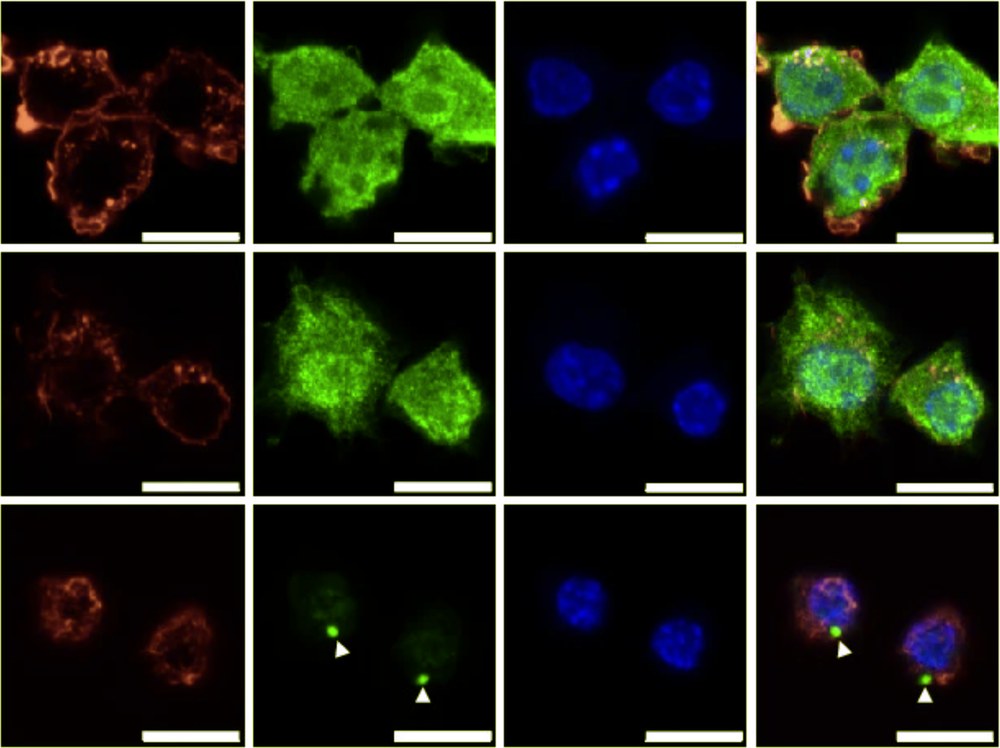
Confocal microscopy panels showing three fluorescence channels and a merged image
Nature2026

NRF2 is a mechanosensitive checkpoint for NLRP3 inflammasome activation

Okin D, Choi JH, Wang C, Cao A, Fisch D, Ma W, Lindblad KE, Valenti M, Kooistra T, Nguyen T, Hariri LP, Chaudhary N, Tien YC, Borges da Silva H, Knipe RS, Mbalaviele G, Kagan JC

Macrophages on soft, tissue-like surfaces switch on the NLRP3 inflammasome in response to LPS alone. Matrix stiffness controls this behaviour through the transcription factor NRF2, acting as a transcriptional checkpoint for inflammasome activity.
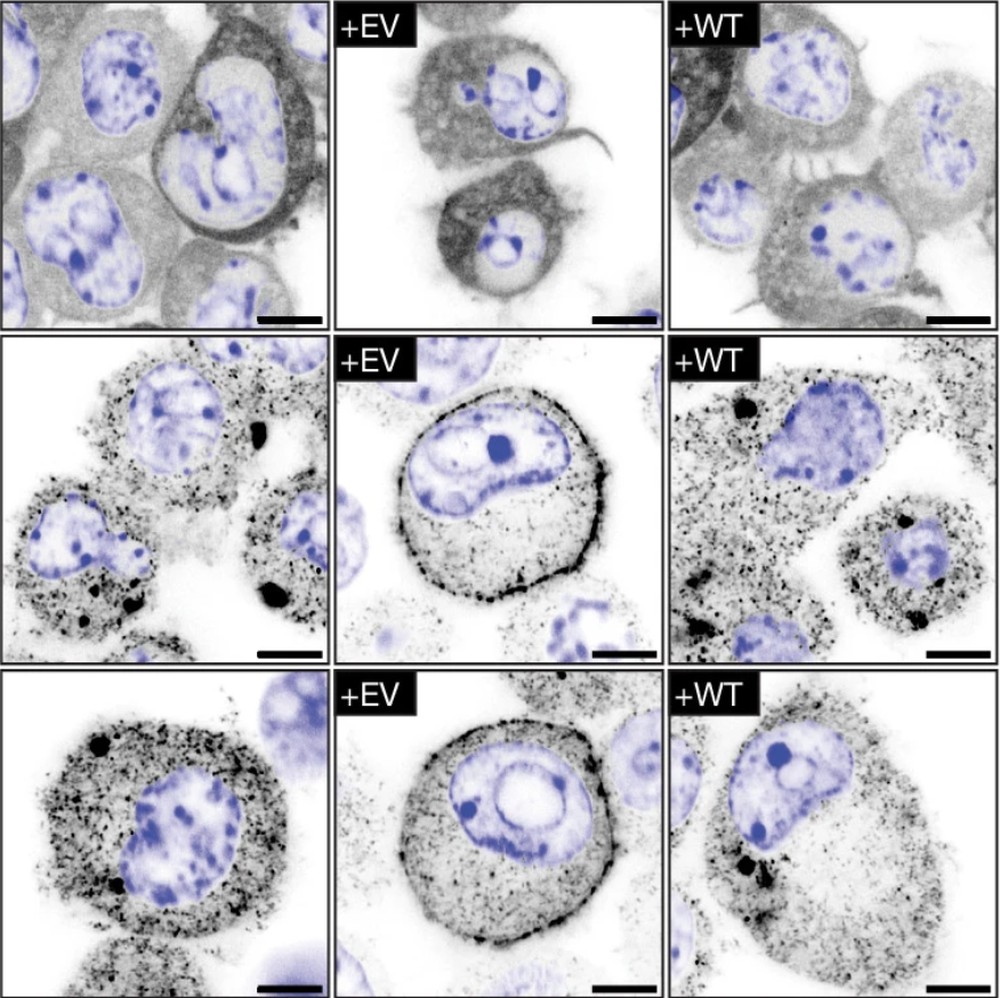
Microscopy panels comparing empty vector and wild-type conditions, shown in inverted contrast with nuclei in blue
Nature2026

TRAM promotes Toll-like-receptor-free myddosome signal transduction

Fisch D, Ohri V, Anastasakou E, Wesemann LJ, Choi JH, Lindblad KE, Kagan JC

We show that TRAM promotes the release of nascent myddosomes from plasma membrane TLR:TIRAP complexes. The resulting receptor-free cytosolic myddosomes sustain MyD88-dependent signal transduction on their own.

2024
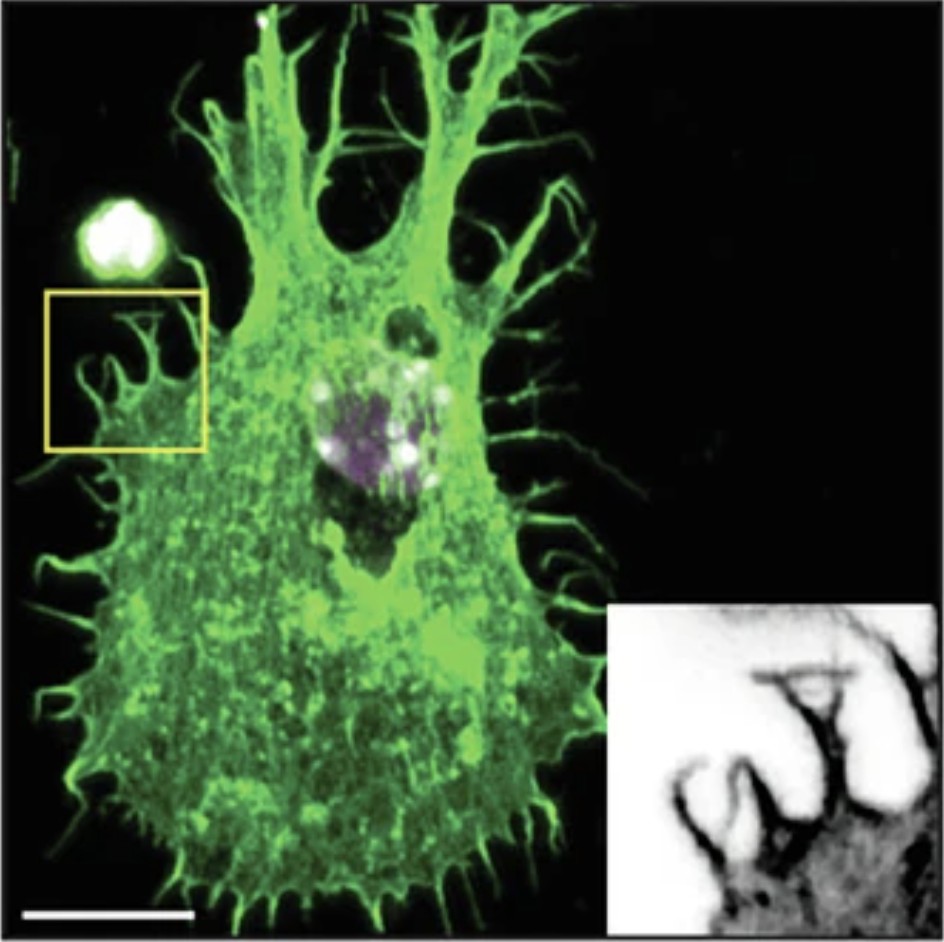
A pyroptotic cell corpse covered in F-actin-rich filopodia, with an inset showing the filopodia at higher magnification
Nature Immunology2024 · 26, 42–52

Pyroptotic cell corpses are crowned with F-actin-rich filopodia that engage CLEC9A signaling in incoming dendritic cells

Holley CL, Monteleone M, Fisch D, Libert AES, Ju RJ, Choi JH, Condon ND, Emming S, Crawford J, Lawrence GMEP, Coombs JR, Lefevre JG, Bajracharya R, Lahoud MH, Yap AS, Hamilton N, Stehbens SJ, Kagan JC, Ariotti N, Burgener SS, Schroder K

Cells dying by pyroptosis grow F-actin-rich filopodia that remain on the corpse after cell lysis. Dendritic cells detect these filopodia through CLEC9A, linking inflammasome activation to adaptive immunity.

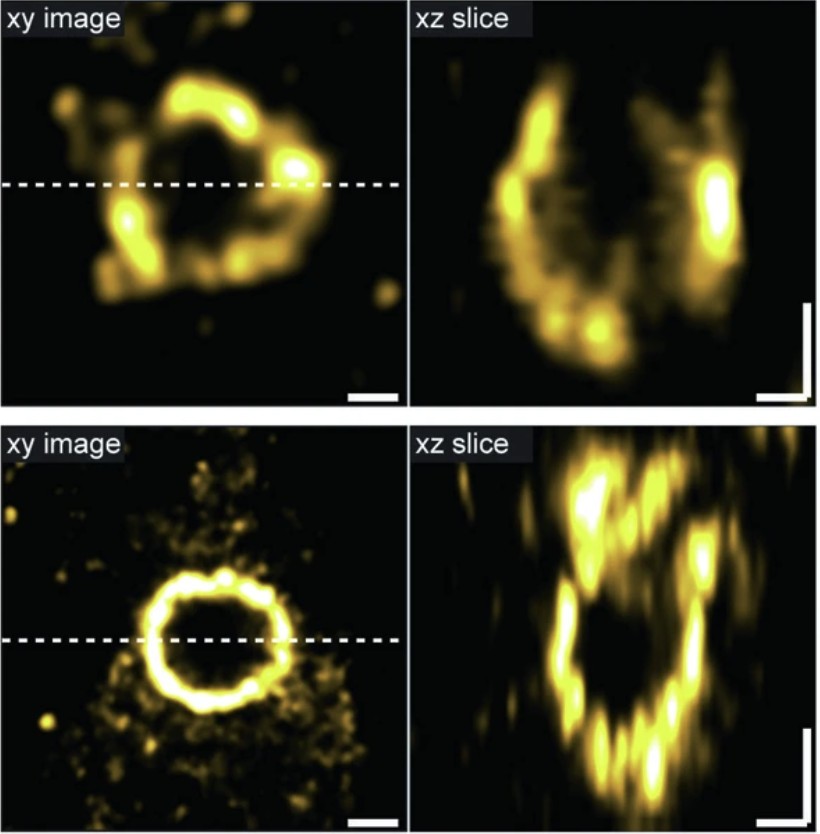
Super-resolution images of a myddosome seen from above and in cross section, showing a ring-shaped assembly
Nature2024 · 631, 635–644

Molecular definition of the endogenous Toll-like receptor signalling pathways

Fisch D, Zhang T, Sun H, Ma W, Tan Y, Gygi SP, Higgins DE, Kagan JC

We redefined how signaling by activated Toll-like receptors is computed by myddosomes in human and mouse macrophages. Myddosomes interact only briefly with the receptors, change in size and composition over a day, and execute the entire TLR pathway from within.

2023
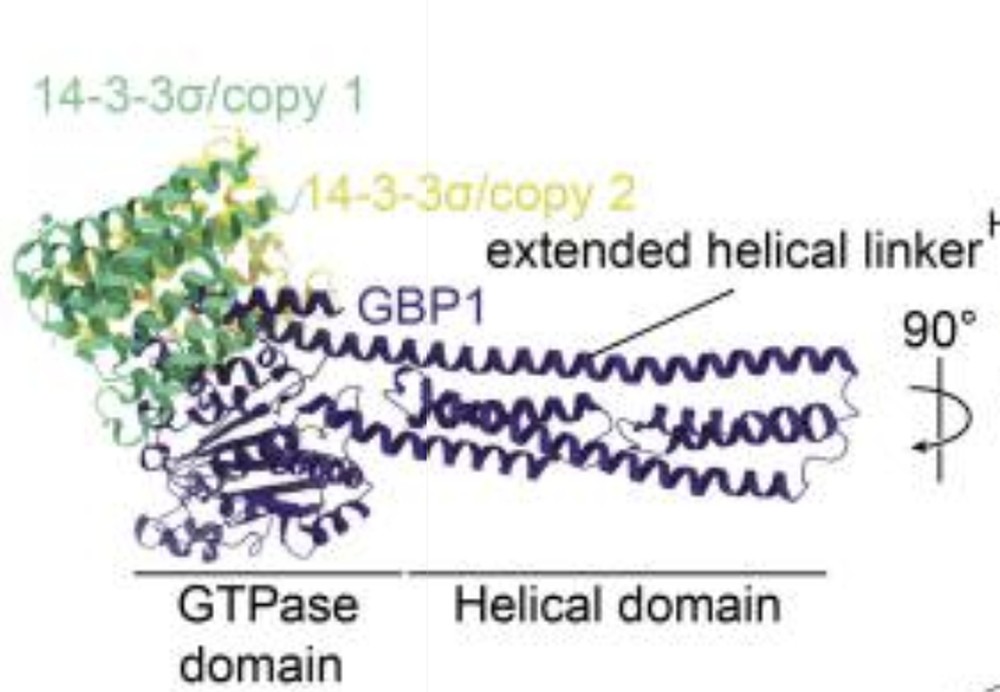
Structure of GBP1 bound by two copies of 14-3-3 sigma, showing the GTPase domain, the helical domain and the extended helical linker
Science2023 · 382, eadg2253

PIM1 controls GBP1 activity to limit self-damage and to guard against pathogen infection

Fisch D, Pfleiderer MM, Anastasakou E, Mackie GM, Wendt F, Liu X, Clough B, Lara-Reyna S, Encheva V, Snijders AP, Bando H, Yamamoto M, Beggs AD, Mercer J, Shenoy AR, Wollscheid B, Maslowski KM, Galej WP, Frickel EM

We discovered a guard mechanism in human cells that monitors the integrity of IFNγ signaling: the kinase PIM1 phosphorylates GBP1 and keeps it inactive. Because IFNγ induces both proteins, pathogens that suppress IFNγ signaling deplete PIM1 and release GBP1.

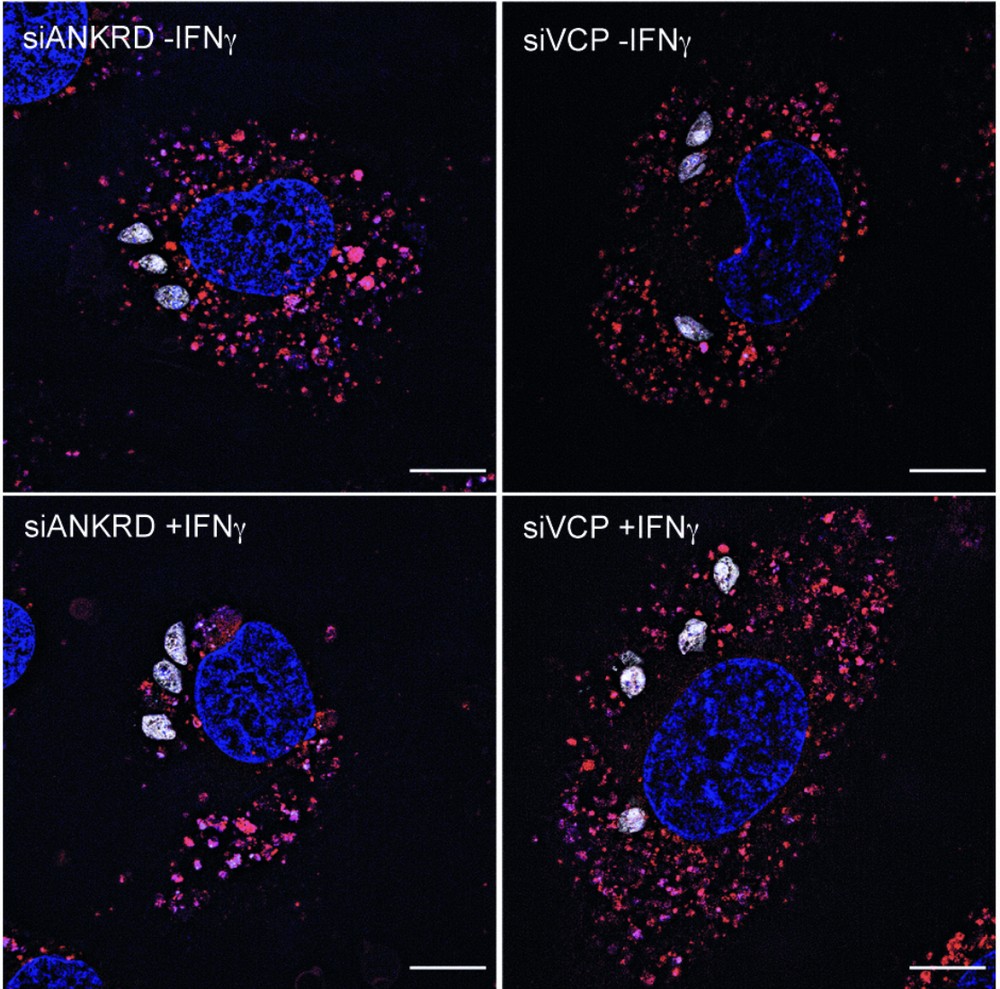
Infected human cells after knockdown of ANKRD13A or VCP, with and without interferon gamma, showing nuclei in blue and Toxoplasma vacuoles in white
mSphere2023 · e00511-23

p97/VCP targets Toxoplasma gondii vacuoles for parasite restriction in interferon-stimulated human cells

Clough B, Fisch D, Mize TH, Encheva V, Snijders AP, Frickel EM

p97/VCP and its partners ANKRD13A and UBXD1 target ubiquitinated Toxoplasma vacuoles within two hours of infection and drive their acidification. p97/VCP emerges as a universal IFNγ-dependent restriction factor in human cells.

2021
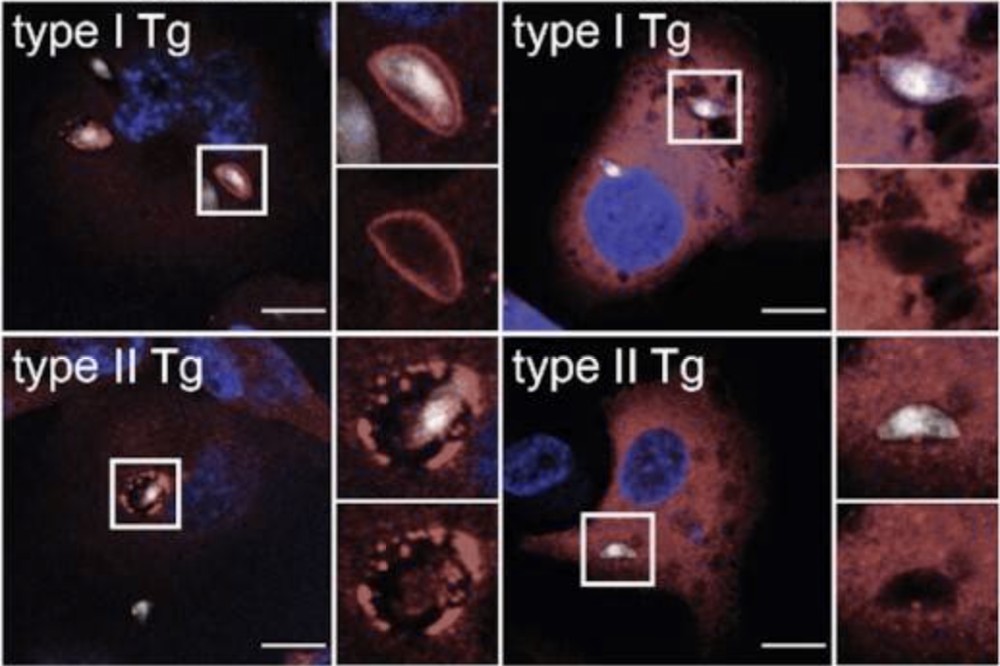
Human cells infected with type I or type II Toxoplasma, with GBP signal in red, nuclei in blue and parasites in white
Pathogens and Disease2021 · ftab058

Toxoplasma-proximal and distal control by GBPs in human macrophages

Fisch D, Clough B, Khan RT, Healy L, Frickel EM

Human GBPs restrict Toxoplasma in macrophages in two ways. GBP1 acts directly at the parasite vacuole, while other GBPs limit the parasite without targeting it.

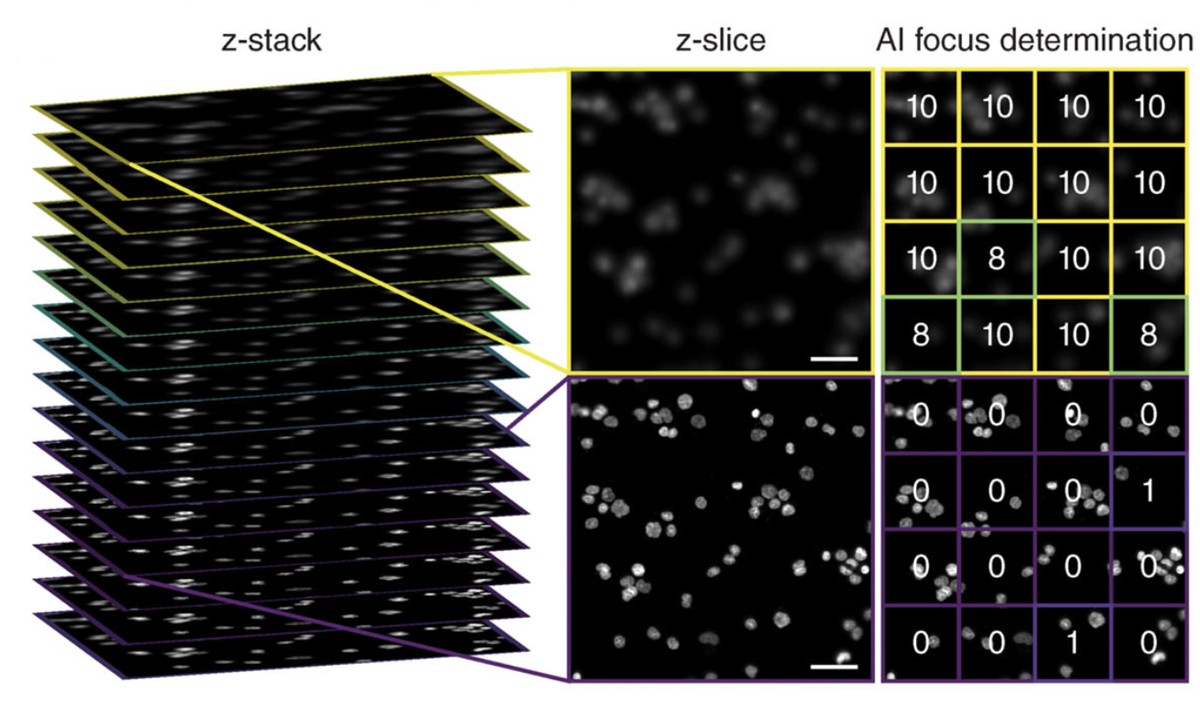
A z-stack of microscopy images beside a single slice and the focus scores HRMAn assigns to each tile
Cellular Microbiology2021 · e13349

HRMAn 2.0: Next-generation artificial intelligence-driven analysis for broad host-pathogen interactions

Fisch D, Evans R, Clough B, Byrne SK, Channell WM, Dockterman J, Frickel EM

HRMAn 2.0 extends our open-source AI image analysis platform to more pathogens and host responses, so labs can quantify complex imaging-based infection phenotypes without writing code.

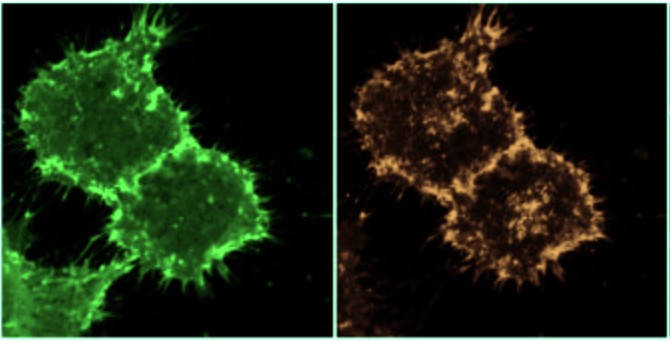
Two views of the same cells, one channel in green and the other in orange, showing membrane protrusions
Cellular and Molecular Life Sciences2021 · 78, 3637–3656

The Gb3-enriched CD59/flotillin plasma membrane domain regulates host cell invasion by Pseudomonas aeruginosa

Brandel A, Aigal S, Lagies S, Schlimpert M, Meléndez AV, Xu M, Lehmann A, Hummel D, Fisch D, Madl J, Eierhoff T, Kammerer B, Römer W

The Pseudomonas aeruginosa lectin LecA binds the glycolipid Gb3 and gathers CD59 and flotillins into a membrane domain that the bacterium uses to invade lung epithelial cells.

2020
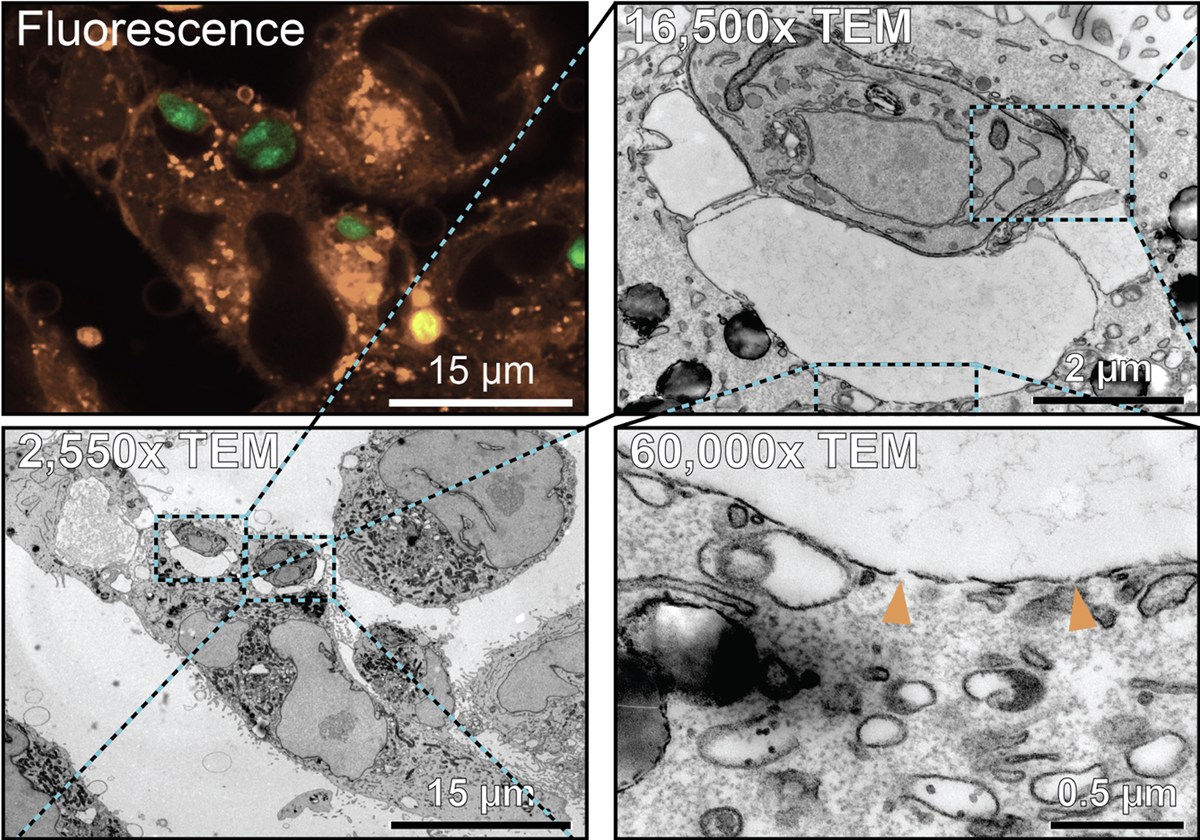
Correlative light and electron microscopy: a fluorescence panel beside the same cells imaged by electron microscopy at three magnifications
Cell Reports2020 · 32, 108008

Human GBP1 differentially targets Salmonella and Toxoplasma to license recognition of microbial ligands and caspase-mediated death

Fisch D, Clough B, Domart MC, Encheva V, Bando H, Snijders AP, Collinson LM, Yamamoto M, Shenoy AR, Frickel EM

We demonstrate that human GBP1 can break Toxoplasma vacuole membranes and decorates cytosolic Salmonella thereby enabling pattern recognition receptors to detect microbial ligands.

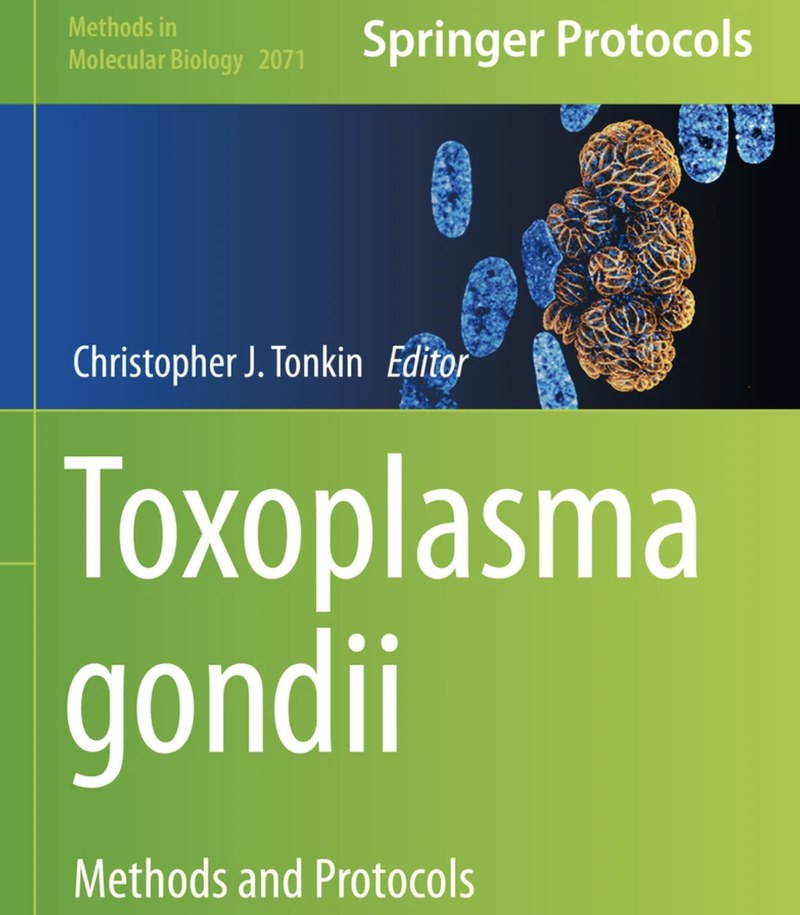
Cover of Toxoplasma gondii: Methods and Protocols, Methods in Molecular Biology volume 2071
Methods in Molecular Biology2020 · Toxoplasma gondii: Methods and Protocols, 411–433

Image-based quantitation of host cell–Toxoplasma gondii interplay using HRMAn: a host response to microbe analysis pipeline

Fisch D, Yakimovich A, Clough B, Mercer J, Frickel EM

A step-by-step protocol for measuring how host cells and Toxoplasma interact in microscopy images, using our HRMAn pipeline.

2019
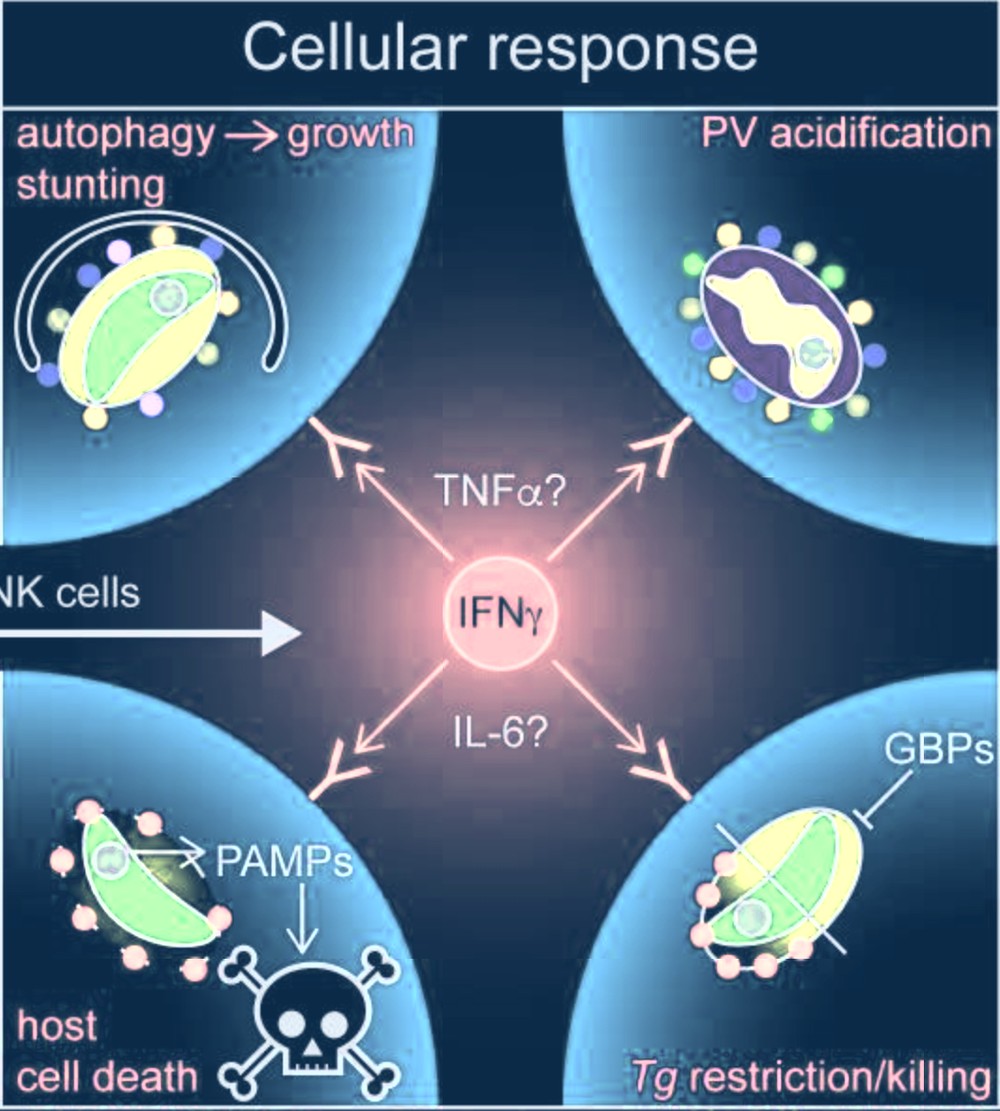
Schematic of the human cellular response to Toxoplasma, showing autophagy, vacuole acidification, host cell death and GBP-mediated restriction downstream of interferon gamma
PLOS Pathogens2019 · 15, e1008097

Human immunity to Toxoplasma gondii

Fisch D, Clough B, Frickel EM

A review of detection and control mechanisms against Toxoplasma, from innate sensing and IFNγ to the defenses that individual cells deploy.

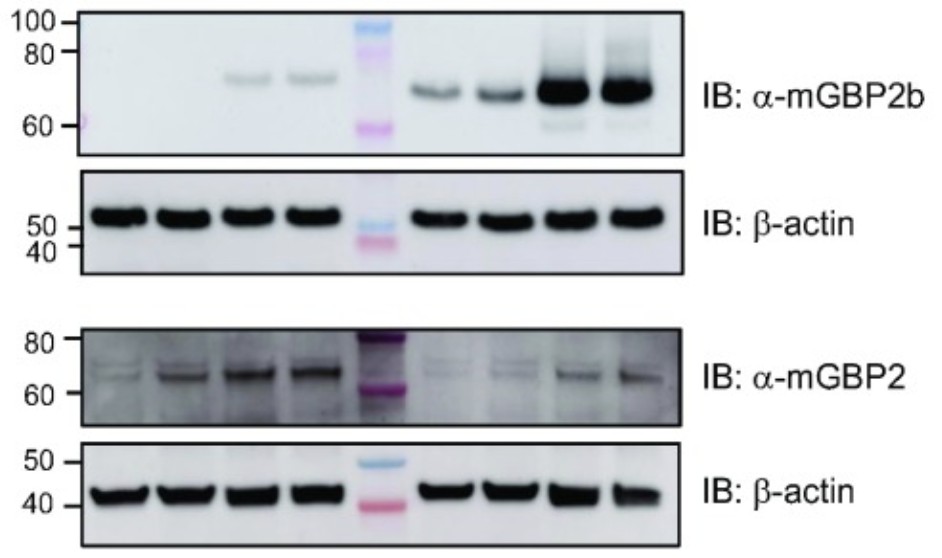
Western blots for mGBP2b and mGBP2 with beta-actin loading controls, comparing the two mouse strains
Wellcome Open Research2019 · 4, 124

C57BL/6 and 129 inbred mouse strains differ in Gbp2 and Gbp2b expression in response to inflammatory stimuli in vivo

Clough B, Finethy R, Khan RT, Fisch D, Jordan S, Patel H, Coers J, Frickel EM

C57BL/6 and 129 mice carry different Gbp2 and Gbp2b alleles that respond differently to immune stimuli and infection. Studies using Gbp knockout mice need to account for this background effect.

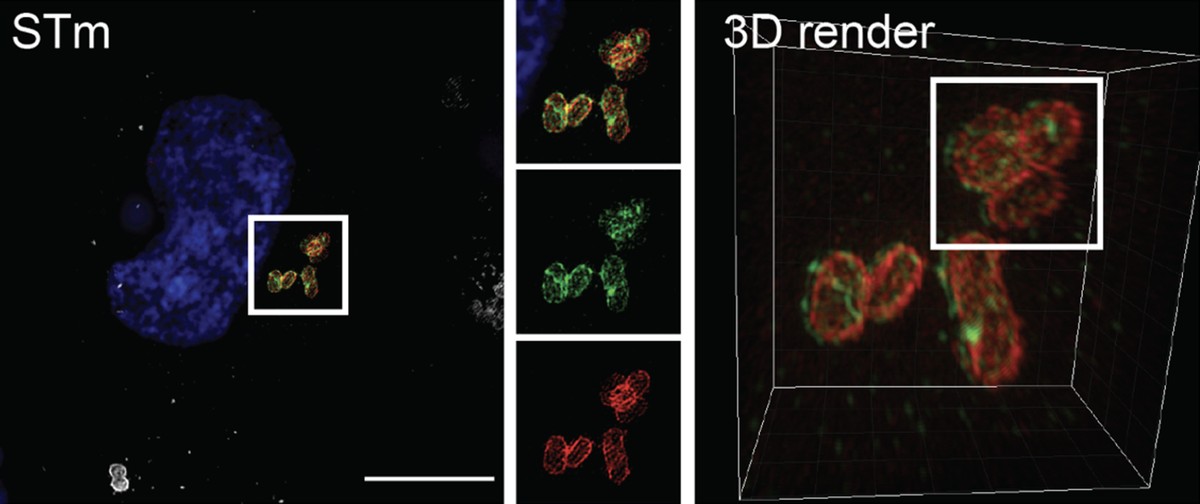
Salmonella Typhimurium inside a human cell, coated in red and green signal, with separate channels and a three-dimensional render
The EMBO Journal2019 · e100926

Human GBP1 is a microbe-specific gatekeeper of macrophage apoptosis and pyroptosis

Fisch D, Bando H, Clough B, Hornung V, Yamamoto M, Shenoy AR, Frickel EM

We describe an LPS-sensing GBP1:caspase-4 signaling platform on the surface of cytosolic Gram-negative bacteria and define a new programmed cell death routine triggered by Toxoplasma gondii.

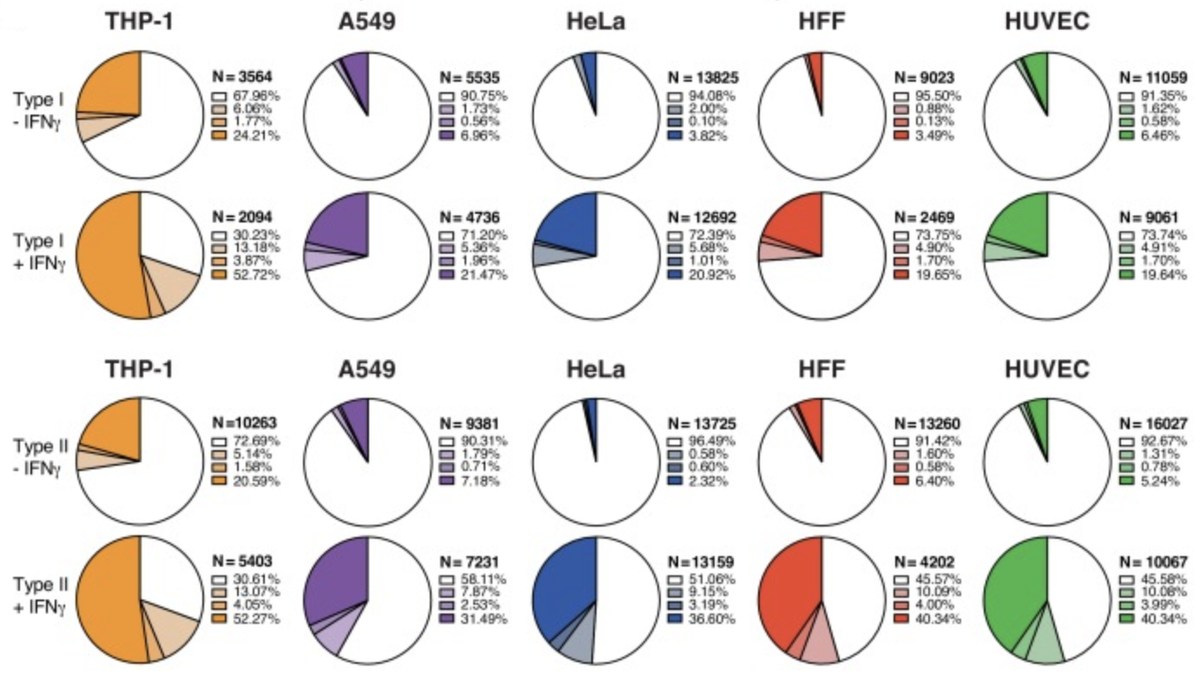
Pie charts quantifying Toxoplasma infection across five human cell lines with and without interferon gamma
eLife2019 · 8, e40560

Defining host–pathogen interactions employing an artificial intelligence workflow

Fisch D, Yakimovich A, Clough B, Wright J, Bunyan M, Howell M, Mercer J, Frickel EM

HRMAn is an open-source machine-learning platform that identifies, classifies and quantifies pathogen killing, replication and host defense in microscopy images.

Preprints

bioRxiv2025

Wall teichoic acid is required for DNA-triggered innate immune receptor activation by Staphylococcus aureus

Jastrab JB, Tseng A, Fisch D, Ragland SA, Kagan JC

bioRxiv2023

p97/VCP targets Toxoplasma gondii vacuoles for parasite restriction in interferon-stimulated human cells

Clough B, Fisch D, Mize TH, Encheva V, Snijders AP, Frickel EM

bioRxiv2021

Toxoplasma-proximal and distal control by GBPs in human macrophages

Fisch D, Clough B, Khan RT, Healy L, Frickel EM

bioRxiv2020

The Gb3-enriched CD59/flotillin plasma membrane domain regulates host cell invasion by Pseudomonas aeruginosa

Brandel A, Aigal S, Lagies S, Schlimpert M, Lehmann A, Hummel D, Fisch D, Meléndez AV, Madl J, Eierhoff T, Kammerer B, Römer W

bioRxiv2019

Differential spatiotemporal targeting of Toxoplasma and Salmonella by GBP1 assembles caspase signalling platforms

Fisch D, Clough B, Domart MC, Bando H, Masonou T, Collinson LM, Yamamoto M, Shenoy AR, Frickel EM

bioRxiv2018

An artificial intelligence workflow for defining host-pathogen interactions

Fisch D, Yakimovich A, Clough B, Wright J, Bunyan M, Howell M, Mercer J, Frickel EM